

When Your Calf Says Stop: Recognising and Treating Sports Injuries

You've trained hard. Your fitness is building. You're feeling quick, powerful, and ready to dominate.
Then one morning you get out of bed and your Achilles feels like it's aged 40 years overnight.
Or perhaps you're halfway through a football match, chasing down an opponent, when it feels like someone has fired a sniper shot into the back of your calf.
Welcome to the world of calf-related injuries…
The calf complex is one of the hardest-working areas of the body. Whether you're sprinting, changing direction, jumping, kicking, or simply pounding the pavement on your morning run, your calf muscles and tendons are absorbing enormous forces every single step.
Let's take a closer look at the usual suspects.

The Achilles Tendon: The Diva of the Lower Leg
If calf injuries had a celebrity, the Achilles tendon would be it.
The Achilles is the thick tendon connecting your calf muscles to your heel bone. During running it can experience forces up to 6-8 times your body weight. Not surprisingly, it occasionally decides it's had enough.
Common signs of Achilles tendinopathy:
Morning stiffness
Pain during or after running
Tenderness when squeezing the tendon
Symptoms that "warm up" during activity but return later
Many runners make the mistake of ignoring early Achilles pain because it often settles once they get moving. Unfortunately, tendons have long memories and tend to become increasingly grumpy when neglected.
The good news? Most Achilles problems respond very well to progressive loading and strength-based rehabilitation.
The Soleus: The Forgotten Workhorse
Everyone knows about the calf muscle, but most people are actually talking about the gastrocnemius - the big visible muscle.
Hidden underneath sits the soleus, quietly doing much of the heavy lifting.
For distance runners, the soleus is often the unsung hero. It works relentlessly to control forward movement and absorb impact forces.
When overloaded, athletes may experience:
Deep calf tightness
Pain during longer runs
Symptoms that worsen on hills
Fatigue that seems disproportionate to training
The soleus doesn't usually create dramatic injuries. Instead, it slowly accumulates stress until one day your calf feels permanently tight and annoyed.
Gastrocnemius Strains: The "Shot in the Calf" Injury
This is the classic calf strain.
The gastrocnemius crosses both the knee and ankle, making it particularly vulnerable during explosive movements such as:
Sprinting
Jumping
Accelerating
Sudden changes of direction
Athletes frequently describe the sensation as: "It felt like someone kicked me in the calf."
Unfortunately, when they turn around, nobody is there.
Recovery depends on the severity of the strain, but proper rehabilitation is critical. Returning too soon often leads to recurring injuries and months of frustration.
Flexor Hallucis Longus: The Muscle Nobody Can Pronounce
Let's be honest….most people have never heard of the flexor hallucis longus (FHL).
This deep calf muscle helps control your big toe and contributes significantly to push-off during running and sprinting.
When irritated, it can cause:
Pain behind the inner ankle
Discomfort when pushing off
Symptoms during uphill running
Pain when rising onto your toes
We commonly see FHL issues in runners, dancers, footballers, and athletes who spend lots of time on their forefoot.
Because it often masquerades as other ankle or Achilles problems, it can be easily overlooked without a thorough assessment.
Tibialis Posterior Tendinopathy: The Arch Protector
The tibialis posterior tendon acts like a dynamic support cable for your foot arch.
When functioning well, it helps control foot position and transfer forces efficiently during walking and running.
When overloaded, it can produce:
Pain along the inside of the ankle
Tenderness behind the ankle bone
Arch discomfort
Increased fatigue during longer sessions
This injury is particularly common in runners increasing mileage too quickly or athletes returning to training after a break.
Ignoring tibialis posterior symptoms can lead to persistent problems and changes in foot mechanics, making early intervention important.
Why Do These Injuries Keep Happening?
While every injury is unique, several common themes emerge:
Too Much, Too Soon
The body loves gradual progression.
Sudden increases in:
Running volume
Sprint exposure
Match intensity
Hill training
Pre-season workloads
can quickly overwhelm the calf complex.
Strength Deficits
Many athletes are surprisingly weak through their calf muscles.
Being able to perform a few calf raises isn't necessarily enough. High-performance sport demands significant calf strength and endurance.
Previous Injury History
A previous calf or Achilles injury is one of the strongest predictors of future problems.
The body often compensates long after symptoms disappear.
Recovery Shortcuts
Sleep, nutrition, hydration, and recovery all influence tissue capacity.
Unfortunately, many athletes train like professionals but recover like university students during exam week.
The Good News
Most calf-related injuries respond extremely well to targeted rehabilitation.
Modern treatment isn't about endless stretching or complete rest.
Instead, we focus on:
Identifying the true source of symptoms
Improving strength and tendon capacity
Addressing biomechanical contributors
Gradually rebuilding running and sporting loads
Creating a plan to reduce recurrence
The goal isn't simply to get you pain-free.
The goal is to get you back running, sprinting, competing, and performing with confidence.
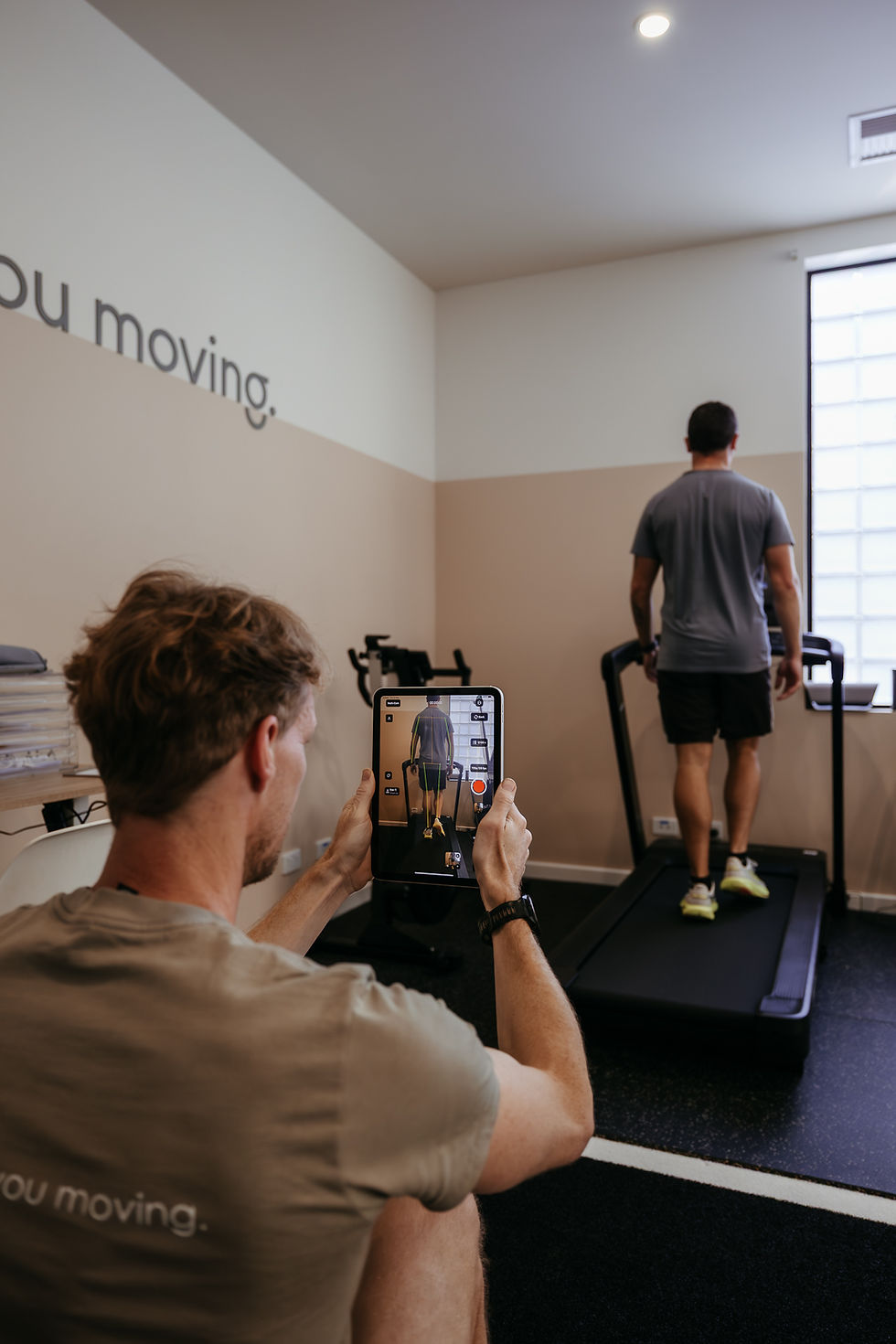
Don't Let Your Calves Call the Shots
Whether you're a weekend warrior, a dedicated runner chasing a personal best, or a footballer preparing for the season, calf injuries can be frustratingly disruptive.
The encouraging news is that most Achilles, soleus, gastrocnemius, flexor hallucis longus, and tibialis posterior issues can be effectively managed with the right diagnosis and rehabilitation strategy.
If your calf has become the weakest link in your training, don't wait for it to become a bigger problem.
A proper assessment today may save you weeks - or months - on the sidelines tomorrow.


Comments